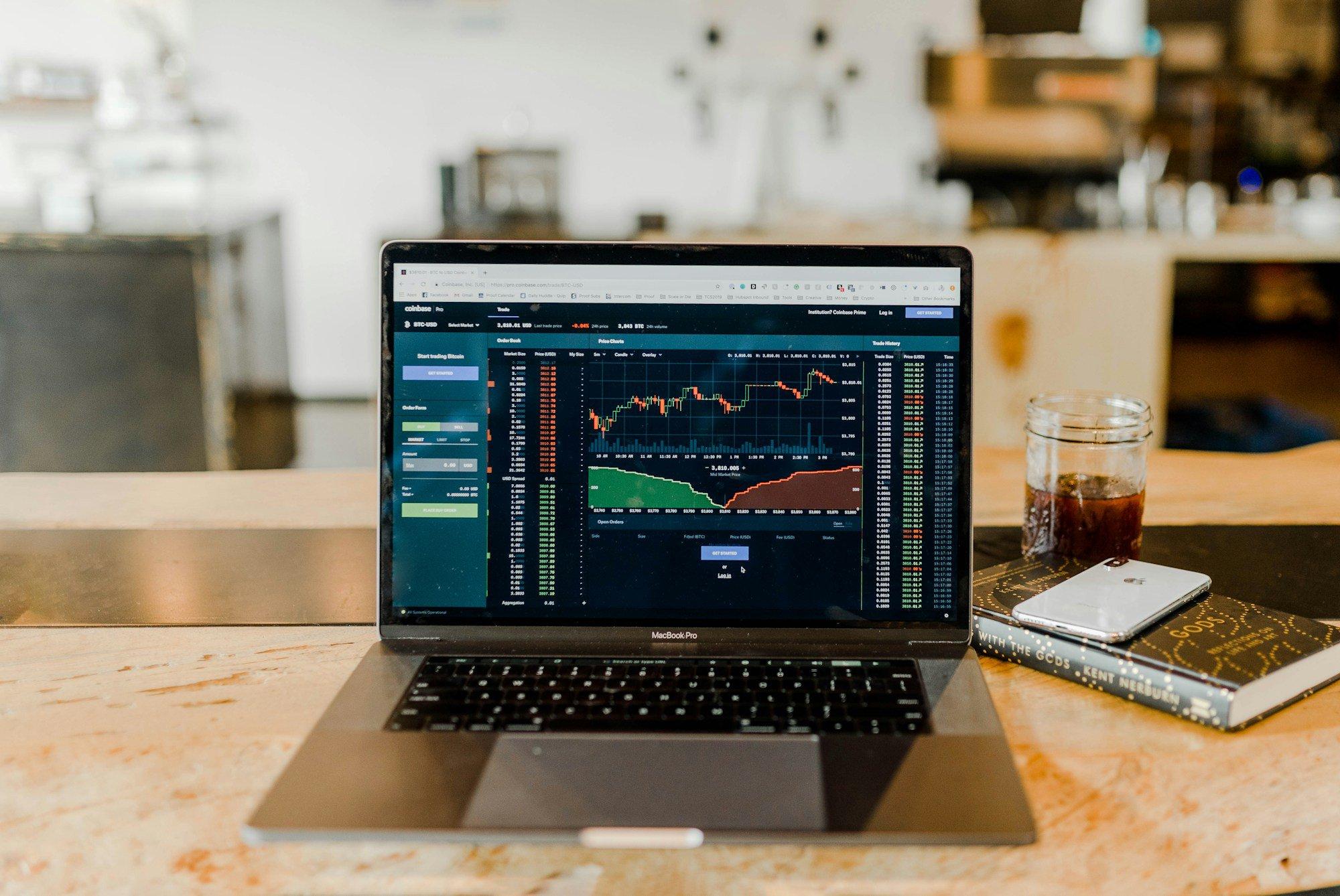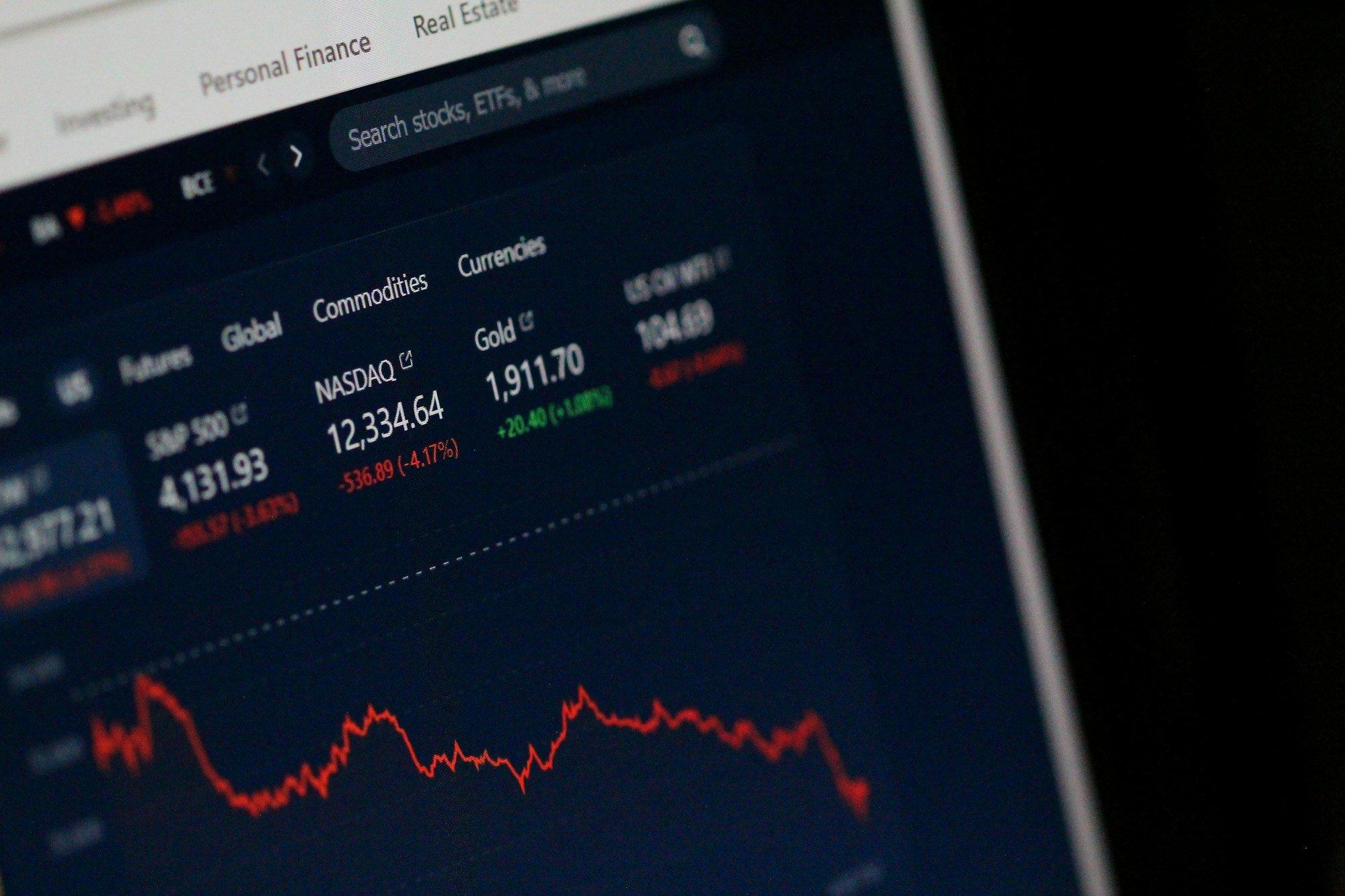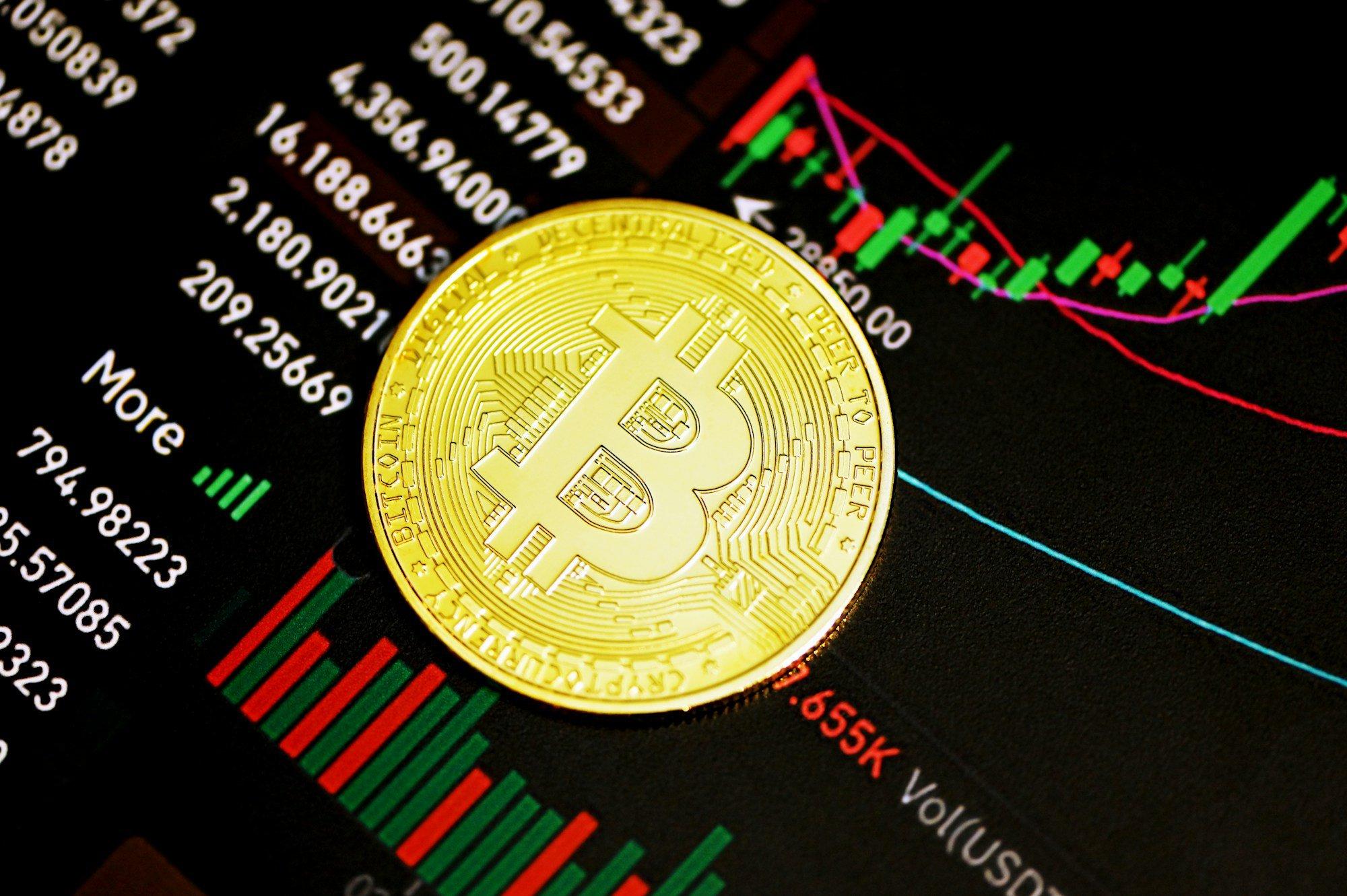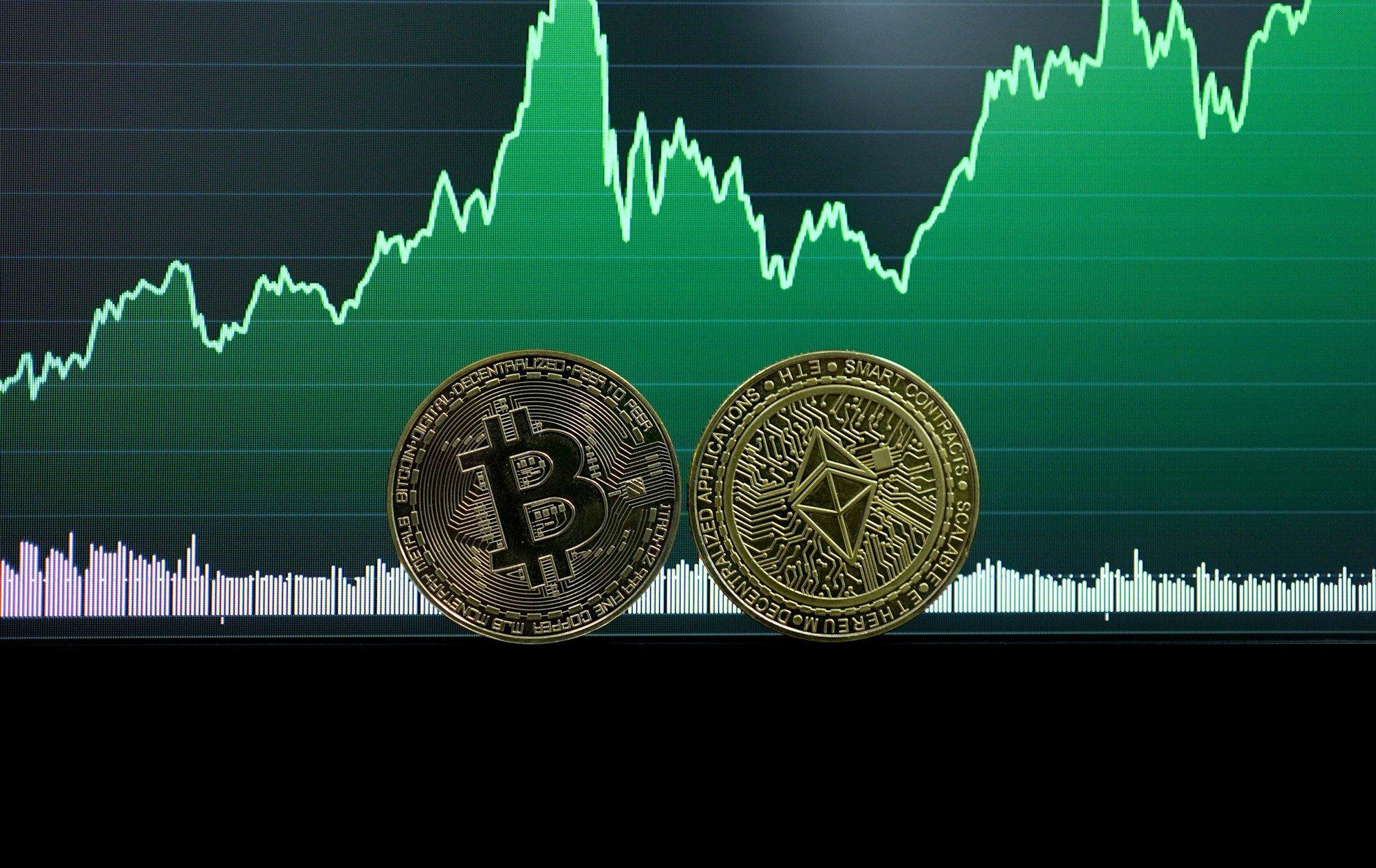
Bitcoin’s (BTC) latest slide has fueled the question: Is this a buying opportunity or a warning sign? After reaching record highs near $126,000 last fall, the cryptocurrency has taken a steep dive, recently trading in the mid-$60,000 range. The drop has come amid institutional outflows, renewed geopolitical tension, and a Federal Reserve signaling patience on rate cuts, all of which have pressured risk assets more broadly.
Unlike past crypto cycles dominated by retail traders, today’s Bitcoin market is heavily influenced by Wall Street. Spot ETFs, pension funds, and hedge funds now drive a large share of flows. That shift has brought legitimacy and liquidity, but it has also made Bitcoin more sensitive to macro swings. When stocks wobble and yields rise, Bitcoin often moves in the same direction and sometimes more dramatically.
Why Prices Are Under Pressure
- ETF outflows: U.S.-listed Bitcoin ETFs have seen consecutive weeks of withdrawals, reflecting cooling institutional demand.
- Higher-for-longer rates: Sticky inflation has reduced expectations for aggressive Fed easing, dampening appetite for speculative assets.
- Risk-off sentiment: Geopolitical stress and volatility in equities have pushed investors toward cash and traditional safe havens.
- Thinner leverage: Futures positioning has dropped significantly from late-2024 highs, limiting momentum-driven rebounds.
The Case for Buying the Dip
Long-term bulls point to Bitcoin’s history of recovering from steep drawdowns. Previous bear markets in 2018 and 2022 eventually gave way to powerful rallies once liquidity conditions improved. Institutional infrastructure is also far more developed now, with regulated ETFs and broader access through traditional brokerages. For some investors, volatility is the price of admission. Bitcoin’s fixed supply and global accessibility remain core elements of the long-term thesis, particularly in a world of expanding sovereign debt and ongoing currency debates.
The Risks Still in Play
At the same time, Bitcoin’s tighter correlation with equities complicates its “digital gold” narrative. If economic growth slows or rates stay elevated longer than expected, speculative assets could remain under pressure. Some strategists also warn that recent rebounds have struggled to gain traction, with sellers emerging as prices approach prior support levels. Bitcoin remains highly volatile. Double-digit percentage swings over short periods are common, making it unsuitable for investors who cannot tolerate sharp drawdowns.
How Investors Are Buying in 2026
- Crypto exchanges for direct ownership and self-custody
- Fintech apps for convenience, often with embedded spreads
- Spot Bitcoin ETFs for exposure through brokerage or retirement accounts
- Dollar-cost averaging to reduce timing risk
Each route carries different trade-offs around fees, control, and security. Taxes also apply when selling at a gain, and transaction costs can meaningfully affect returns over time.
Looking Ahead
Whether this slump proves to be an opportunity will likely depend less on crypto headlines and more on the broader macro backdrop. If inflation cools and rate-cut expectations firm up, risk appetite could return and lift Bitcoin with it. But if geopolitical tensions persist and liquidity tightens, volatility may remain the dominant theme. For now, investors considering entry should weigh conviction against risk tolerance — and remember that in Bitcoin, patience is often tested before it is rewarded.