U.S. consumer sentiment took a steep dive in March, pointing to growing economic anxiety as geopolitical tensions and rising energy costs ripple through households. The latest reading from the University of Michigan showed sentiment falling to 53.3, its lowest level since December and below economist expectations, marking a notable reversal after months of gradual improvement.
The decline highlights how quickly macro conditions can shift consumer psychology. Investors are becoming more focused on sentiment data as a leading indicator of spending trends, especially as higher gas prices and stock market volatility begin to weigh on both lower- and higher-income households. With consumer spending accounting for a significant portion of U.S. economic activity, this drop raises fresh concerns about the durability of growth.
What’s Driving the Decline
The March drop reflects a combination of geopolitical stress and economic pressure points that are directly impacting consumers. Much of the survey period coincided with escalating tensions in the Middle East, amplifying uncertainty and feeding through to inflation expectations and spending behavior. Gas prices have surged more than $1 per gallon on average over the past month, according to AAA, as disruptions tied to the Strait of Hormuz tightened global oil supply. At the same time, equity market volatility has eroded household wealth, particularly among higher-income consumers with greater exposure to stocks.
Key Takeaways for Investors
- Sentiment hits 53.3: The lowest level since December, reflecting a 5.8% monthly drop and a 6.5% decline year over year.
- Inflation expectations rising: One-year inflation expectations jumped to 3.8%, marking the largest monthly increase since 2025.
- Gas prices a major factor: Fuel costs have surged sharply, acting as an immediate and visible strain on household budgets.
- Stock market volatility matters: With equities now comprising nearly 40% of household wealth, market swings are having a larger psychological and financial impact on consumers.
- Broad-based weakness: Sentiment declined across income groups and political affiliations, signaling a widespread shift rather than a niche concern.
Inflation Fears Complicate the Outlook
One of the more concerning elements for investors is the rise in short-term inflation expectations. Consumers now anticipate higher prices over the next year, which could influence spending behavior and wage demands. While long-term expectations edged slightly lower to 3.2%, they remain elevated compared to pre-pandemic norms.
This dynamic creates a challenge for policymakers. Rising inflation expectations, even if driven by temporary energy shocks, could complicate the Federal Reserve’s path forward. A prolonged period of elevated oil prices risks feeding into broader inflation, potentially delaying rate cuts and tightening financial conditions further.
Wealth Effect and Market Sensitivity
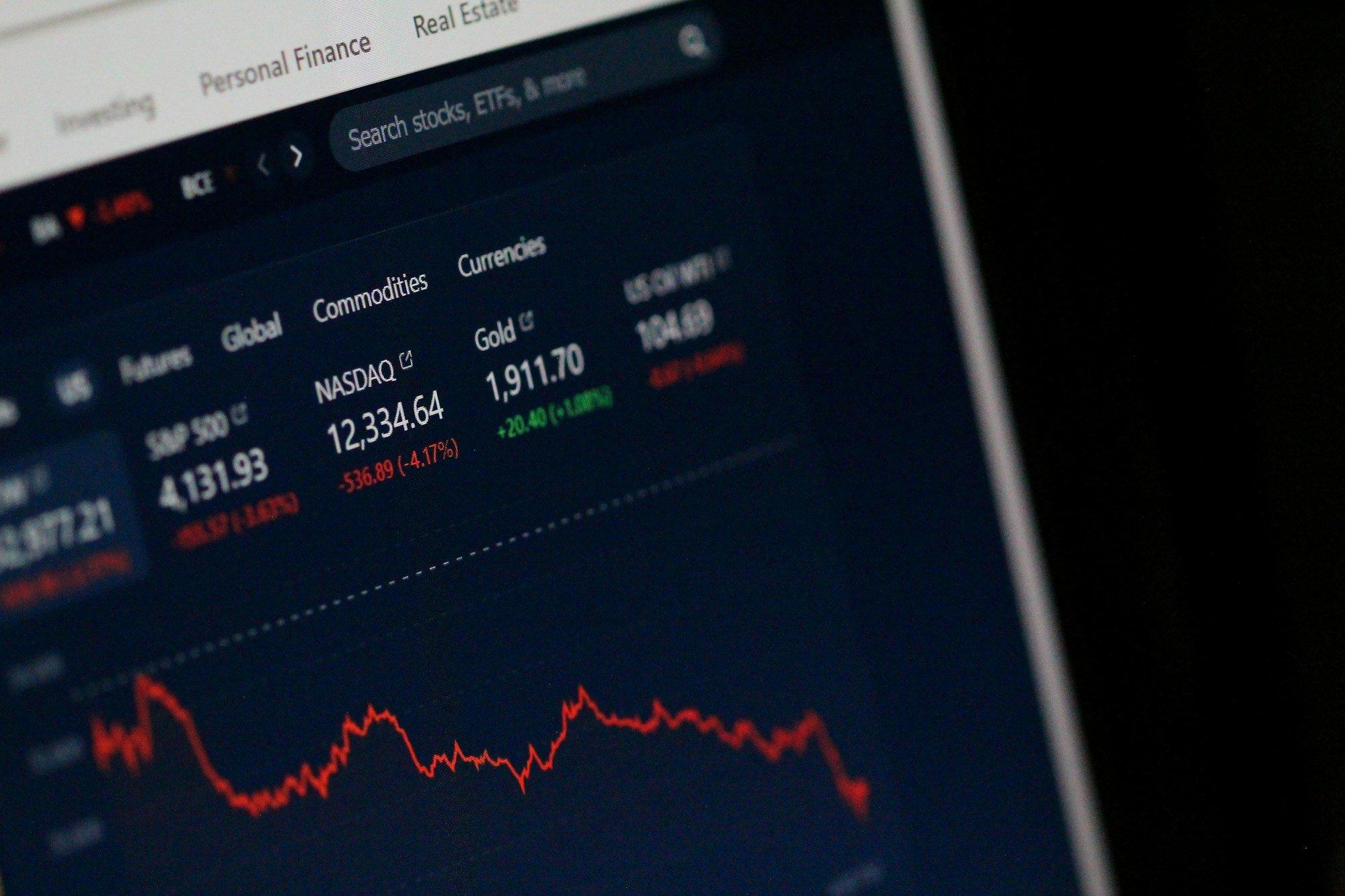
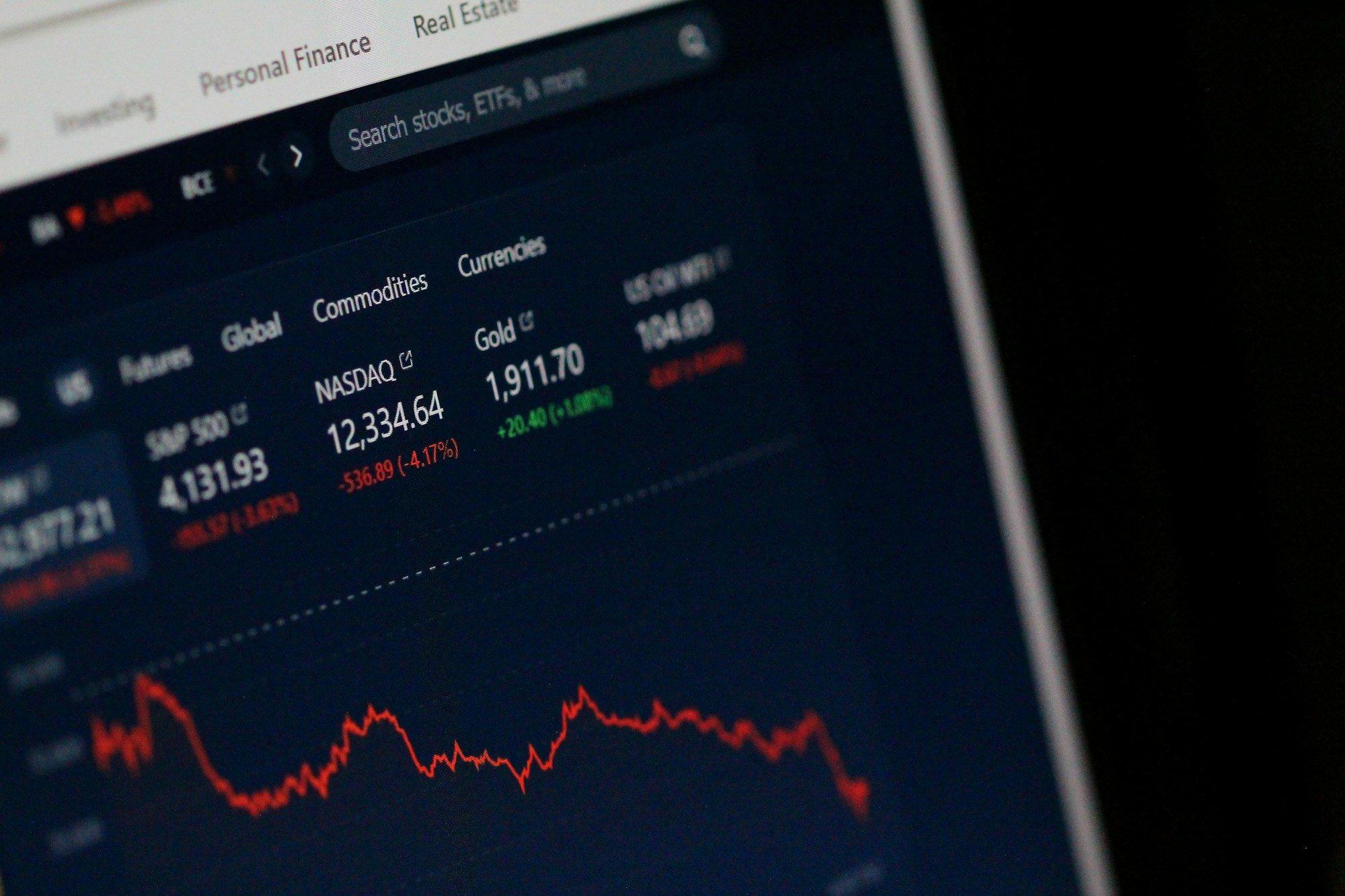
The decline in sentiment among middle- and higher-income households is particularly notable for investors. These groups are more exposed to equity markets, and recent declines in the S&P 500 and Dow Jones Industrial Average have amplified the negative wealth effect. This shift marks a structural change from previous decades, when stock ownership was less widespread. Today, market performance plays a larger role in shaping consumer confidence, meaning prolonged volatility could have a more pronounced impact on spending patterns and overall economic momentum.
Looking Ahead
Consumer sentiment will likely remain closely tied to developments in energy markets and the geopolitical backdrop, with gas prices and stock market performance acting as key swing factors in the coming weeks. Investors should watch for signs of stabilization in oil prices and inflation expectations, as well as any rebound in equity markets, which could help restore confidence; however, if volatility persists, weaker sentiment could begin translating into softer consumer spending and slower economic growth.