Semiconductor stocks staged a comeback on Tuesday as investors returned to beaten-down AI names following a turbulent stretch for the industry. The rebound offered some relief after concerns about soaring infrastructure costs, mounting debt and growing competition sent chip stocks sharply lower earlier this month.
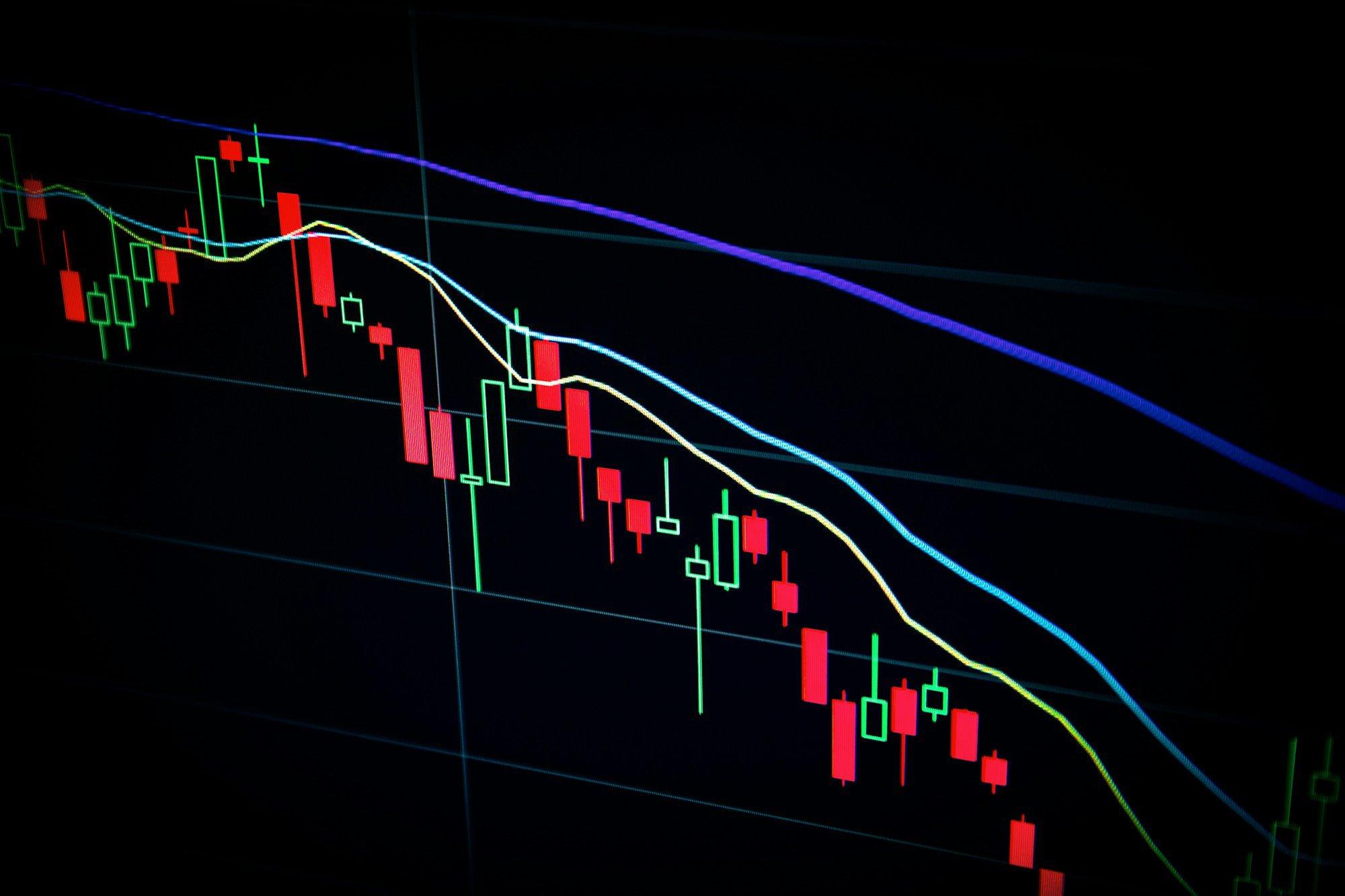
The Philadelphia Semiconductor Index climbed roughly 1% after reversing early losses, building on Monday's gain of more than 1.5%. Nvidia, AMD, Taiwan Semiconductor and Micron were among the companies benefiting from renewed buying interest, although lingering doubts about the sustainability of the AI boom kept investors cautious.
Chip Stocks Find Their Footing After Steep Selloff
The semiconductor sector has endured a difficult October as investors reassessed valuations following months of enthusiasm for AI. The Philadelphia Semiconductor Index recently suffered an eight-session losing streak, reflecting mounting concerns about the enormous capital required to expand AI infrastructure. The downturn also hit memory chipmakers, which had previously benefited from soaring demand for advanced computing systems.
Tuesday's rebound suggested investors were beginning to see opportunities after the recent declines. Taiwan Semiconductor gained roughly 1.5%, while Micron and AMD edged higher after reversing earlier losses. Nvidia also recovered from its morning decline, trading near the flatline as investors weighed continued demand for AI chips against broader concerns about technology spending.
Intel Gets a Boost From Wall Street
Intel continued its recovery Tuesday after JPMorgan upgraded the chipmaker to Neutral on Monday, providing another catalyst for investors looking beyond the industry's biggest AI winners. The upgrade helped support optimism surrounding Intel's turnaround efforts, particularly as the company works to strengthen its manufacturing operations and compete more effectively in advanced semiconductor production.
While Nvidia and AMD have dominated investor attention through their exposure to AI accelerators, Intel's recovery highlights growing interest in semiconductor companies with potential turnaround opportunities. The broader rebound also suggests investors may be distinguishing between companies facing immediate financial challenges and established chipmakers benefiting from sustained demand.
AI Infrastructure Concerns Haven't Disappeared
Despite Tuesday's recovery, the market remains sensitive to warning signs across the AI infrastructure industry. South Korean cloud provider Elice plunged approximately 32% during its public market debut, highlighting investor skepticism toward companies whose valuations depend on aggressive AI expansion. Meanwhile, CoreWeave, the Nvidia-backed cloud infrastructure provider, gained roughly 3% Tuesday after suffering steep losses earlier this month.
CoreWeave's recent volatility has brought attention to the debt-heavy business models used by specialized AI cloud providers. These companies must spend billions on chips, data centers and electricity infrastructure before fully realizing the revenue from long-term customer contracts. For semiconductor manufacturers, the concern is that financing difficulties among major AI customers could eventually slow equipment purchases, even if demand for computing power remains strong.
Strong Chip Demand Faces a New Test
Recent earnings from Taiwan Semiconductor and ASML have offered evidence that AI-related semiconductor demand remains robust. Taiwan Semiconductor reported record quarterly profits, while ASML posted record sales and raised its full-year outlook. Both companies have benefited from continued investment in advanced chipmaking capacity.
However, the market's muted reaction to those results demonstrated that strong earnings alone may no longer be enough to sustain the sector's previous momentum. Investors are increasingly focused on whether AI customers can maintain their spending commitments without taking on excessive debt or sacrificing profitability. That shift could create a more selective market in which companies with strong balance sheets and reliable cash flow outperform businesses relying heavily on external financing.
Looking Ahead
The semiconductor sector's next challenge will be turning Tuesday's rebound into a sustained recovery. Investors will be watching upcoming technology earnings for updates on AI demand, capital spending, and whether the industry's largest customers remain committed to expanding computing capacity. With chip stocks still recovering from a sharp correction, volatility could persist. But if major semiconductor companies continue delivering strong results and concerns about AI financing ease, the recent selloff could create room for another leg higher in the sector.