U.S. stocks were mixed on Tuesday as easing geopolitical tensions in the Middle East, ongoing inflation concerns, and expectations for upcoming economic data later this week took center stage. The Nasdaq Composite rose to another record high, powered by a fresh rally in semiconductor and AI-linked names, while the S&P 500 also advanced as falling oil prices helped improve risk appetite.
The Dow Jones Industrial Average lagged broader markets, slipping modestly as investors rotated into growth and technology shares. Wall Street sentiment improved after President Trump said U.S.-Iran negotiations were “moving along well,” fueling hopes that a diplomatic breakthrough could prevent further escalation and reduce risks to global energy supplies. At the same time, traders continued to monitor crude volatility, Treasury yields, and expectations for future Federal Reserve policy moves ahead of key inflation and GDP reports due later this week.
Market Movers:
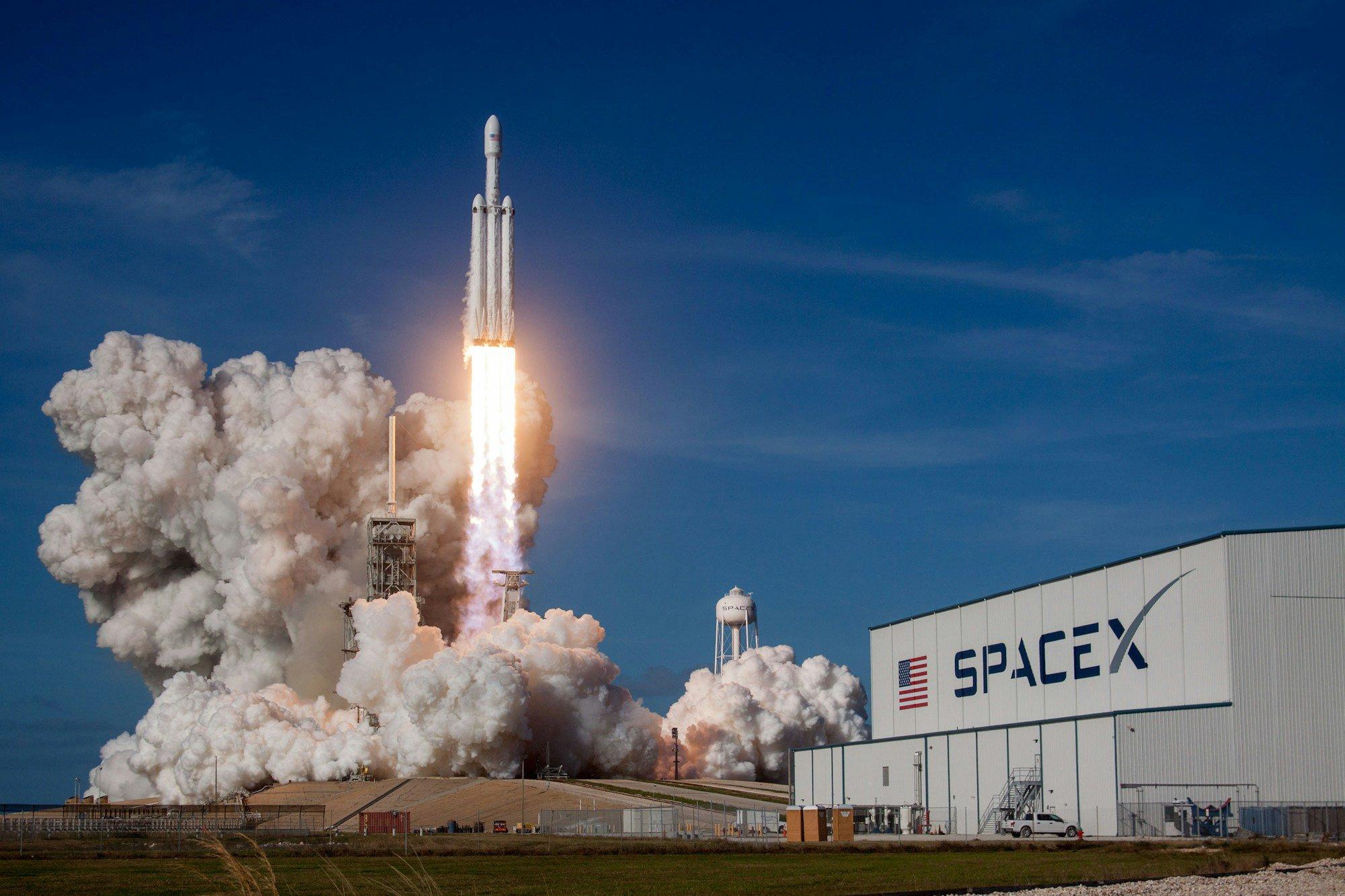
- Redwire (RDW) +24% — Shares surged as investor enthusiasm around the commercial space industry accelerated following SpaceX’s highly anticipated IPO filing. The rally spread across aerospace and satellite names, including Firefly Aerospace, AST SpaceMobile, Intuitive Machines, and Voyager Technologies, as traders positioned for expanding demand tied to satellite communications, defense contracts, and lunar infrastructure projects.
- Micron Technology (MU) +16% — The memory-chip maker jumped after UBS raised its price target to a Street-high level, citing explosive AI-driven demand and improving long-term pricing visibility in the memory market. Analysts now expect Micron to benefit from structural shifts in AI infrastructure spending, with optimism building around stronger free cash flow generation and sustained earnings growth over the next several years.
- TeraWulf (WULF) +12% — Shares gained after the company announced the acquisition of a major hyperscale computing development site in Kentucky capable of supporting more than 1 gigawatt of future data center capacity. Investors viewed the deal as another sign that AI infrastructure demand is rapidly expanding beyond traditional cloud providers into energy-intensive digital infrastructure operators.
- Elbit Systems (ESLT) +10% — The defense contractor rallied after delivering stronger-than-expected quarterly earnings and unveiling a new $1.4 billion European military modernization contract. Record backlog levels above $30 billion reinforced investor confidence that global defense spending trends remain strong amid ongoing geopolitical instability.
- AutoZone (AZO) -10% — Shares fell after quarterly results revealed growing margin pressure despite healthy sales growth and strong customer demand. Investors focused on rising inventory costs, weaker profitability metrics, and signs that inflation-related pressures continue weighing on the automotive retail sector.
- BP (BP) -5% — The oil giant declined after abruptly removing Chairman Albert Manifold over governance and oversight concerns. The leadership shakeup added uncertainty around the company’s long-term strategic execution at a time when energy markets remain highly volatile.
- Ferrari (RACE) -5% — Shares slipped following the debut of Ferrari’s first fully electric vehicle, the Luce, as reactions from investors and traditional enthusiasts remained mixed. While management positioned the EV as a bold leap into the future, some analysts questioned whether the aggressive design and transition strategy could alienate the brand’s core customer base.
Chip Stocks Continue Leading the Market
Tech and semiconductor stocks remained at the center of the market rally as the PHLX Semiconductor Index reached fresh all-time highs. Investors continued piling into AI-linked hardware companies following Nvidia’s blockbuster earnings last week and growing expectations that hyperscaler spending on AI infrastructure remains in the early innings of a broader investment cycle.
Micron’s rally helped fuel broader momentum across the semiconductor space, lifting companies tied to AI servers, memory, networking, and advanced computing. Stocks including AMD, Arm Holdings, Marvell Technology, Dell Technologies, and Applied Materials all traded higher as investors rotated back into high-growth technology sectors. The enthusiasm surrounding AI infrastructure spending has also begun spreading into adjacent industries, including power systems, cooling technology, aerospace computing, and digital infrastructure operators, highlighting how broad the current AI investment cycle has become.
Oil Prices Fall as Iran Diplomacy Improves Sentiment
Markets also found support from falling crude oil prices after signs of progress in U.S.-Iran negotiations reduced fears of a prolonged disruption in the Strait of Hormuz. West Texas Intermediate crude dropped toward $93 per barrel, while Brent crude slipped below $100 as traders priced in a lower probability of supply shocks.
The decline in oil prices eased some inflation concerns that had recently pressured both equities and bonds. Lower energy costs helped boost investor confidence that inflation may stabilize enough to keep the Federal Reserve from becoming more aggressive on interest rates later this year. Still, geopolitical risks remain elevated. Investors continue watching for any military escalation that could quickly reverse recent declines in crude prices and reignite inflation fears across global markets.
Consumer Confidence and Rate Expectations Remain in Focus
Economic data released Tuesday showed consumer confidence weakened slightly in May as Americans continued grappling with elevated gasoline prices and broader cost-of-living pressures. Inflation expectations remain elevated, complicating the Federal Reserve’s path forward as policymakers attempt to balance slowing economic momentum against stubborn price pressures.
Meanwhile, Treasury markets remain volatile as traders reassess the likelihood of future rate cuts. According to CME FedWatch data, odds of a potential Fed rate hike later this summer have risen sharply over the past month as energy-driven inflation risks intensified during the Iran conflict. Even so, many strategists believe corporate earnings strength and continued AI-driven investment trends are helping offset macroeconomic uncertainty, particularly within technology sectors that continue to set new records.
Looking Ahead
Investors now turn their attention to several major catalysts later this week, including fresh inflation readings, revised GDP data, and additional commentary from Federal Reserve officials. Markets will also continue monitoring developments in U.S.-Iran negotiations as oil prices remain one of the biggest drivers of inflation expectations and broader market sentiment. For now, AI enthusiasm, falling crude prices, and resilient corporate earnings are helping support equities despite ongoing macro uncertainty. If geopolitical tensions continue easing and inflation data stabilizes, investors may gain confidence that the current rally in technology and growth stocks still has room to run.